Metamorphosis in Motion: How AI Transforms Birds into Shining Metal Creatures with Realistic Texture Synthesis
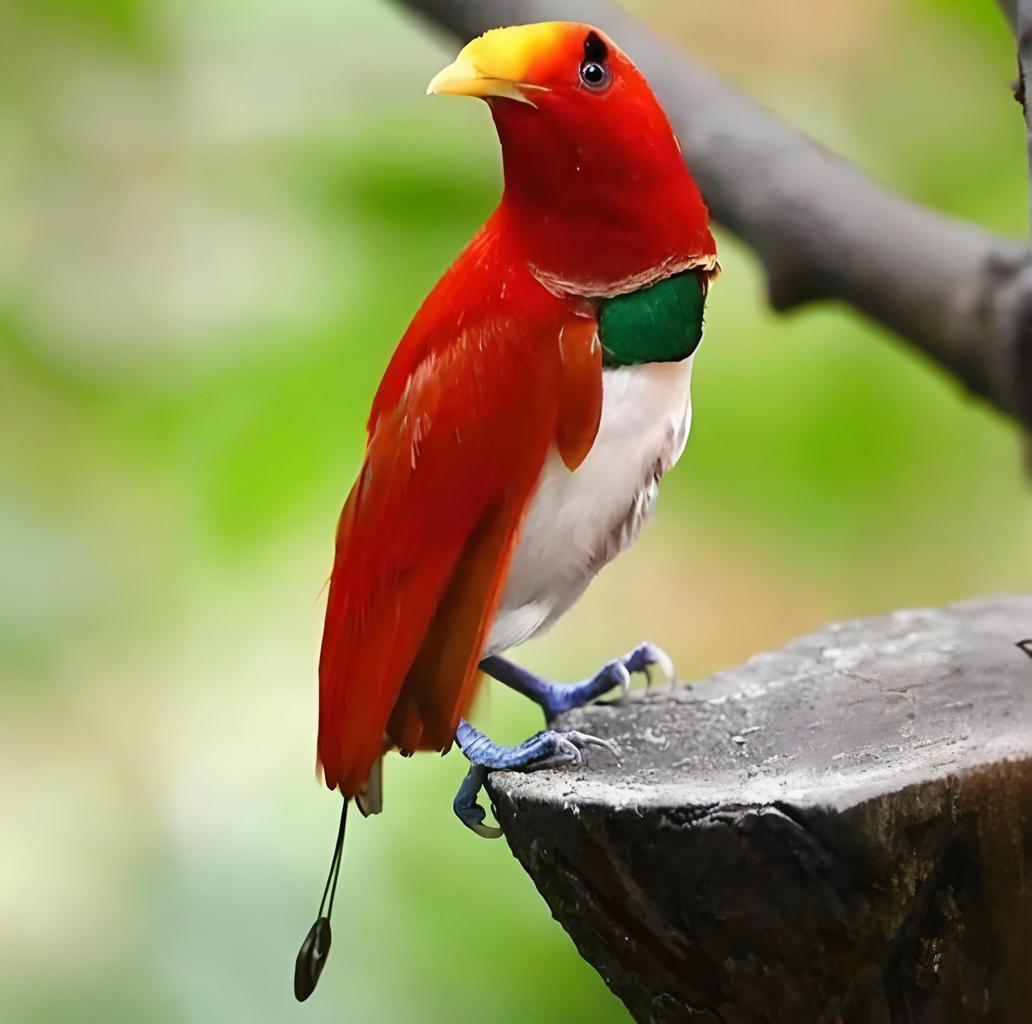
In the realm of digital creativity, the integration of artificial intelligence (AI) has opened up new avenues for artistic expression. Recently, I embarked on a project to transform a picture of a bird, specifically a King of Saxony Bird of Paradise, into a creature with a metallic skin using an image-to-video function. This journey not only showcased the power of AI but also underscored the profound impact of technology on our lives.
The Image-to-Video Process and Algorithms Used
Image Recognition and Segmentation
The first step in this process involved using advanced image recognition algorithms to accurately identify and segment the bird from its background. This was crucial for isolating the bird's features, which would serve as the foundation for the metallic transformation.
Texture and Material Analysis
Once the bird was segmented, AI algorithms analyzed the texture and material properties of its feathers. This analysis helped in determining the best way to apply a metallic texture, ensuring that the transformation looked realistic and seamless. Algorithms like convolutional neural networks (CNNs) were likely used for this purpose.
3D Modeling and Rendering
Next, a 3D model of the bird was created using sophisticated 3D rendering techniques. This model was then used to apply the metallic texture. This involved complex algorithms to simulate the reflective properties of metal, making the transformation look lifelike.
Animation and Motion Capture
To bring the metallic bird to life, AI algorithms were used for animation and motion capture. This involved creating a sequence of frames that showed the bird's transformation from its natural state to a metallic one. Techniques such as keyframing and motion interpolation were likely employed to ensure smooth and natural-looking motion.
Post-Processing and Refinement
The final step involved post-processing techniques to refine the video. This ensured that the metallic skin looked realistic and that the overall video was polished and visually appealing. Techniques like color correction, noise reduction, and anti-aliasing were used to enhance the video's quality.
The Power of Current Technology
The ability to transform a simple image into a dynamic video with such intricate detail is a testament to the power of modern technology. The algorithms and techniques used in this process are the culmination of years of research and development in the fields of computer vision, machine learning, and graphics rendering.
How Technology Has Changed Our Lives
The impact of technology on our daily lives is undeniable. From smartphones and social media to autonomous vehicles and virtual reality, technology has made our lives more convenient and interconnected. The image-to-video function that I used is just one example of how AI is transforming the way we create and consume content.
AI's Impact on Human Future Life
As we look to the future, the potential impact of AI on human life is both exciting and daunting. On one hand, AI has the potential to personalize content, enhance healthcare and education, and revolutionize the entertainment industry. On the other hand, it raises ethical concerns about misinformation, employment impacts, and the need for transparency.
In conclusion, the transformation of a bird into a metal-skinned creature using an image-to-video function is a remarkable demonstration of the capabilities of AI. It underscores the profound impact of technology on our lives and the potential for even more innovative applications in the future. As we continue to explore and harness the power of AI, we can expect to see even greater changes that will transform the way we live, work, and interact with the world around us.