AI Monkey Video Generator: How to Animate Photos with Voice Sync in 2025
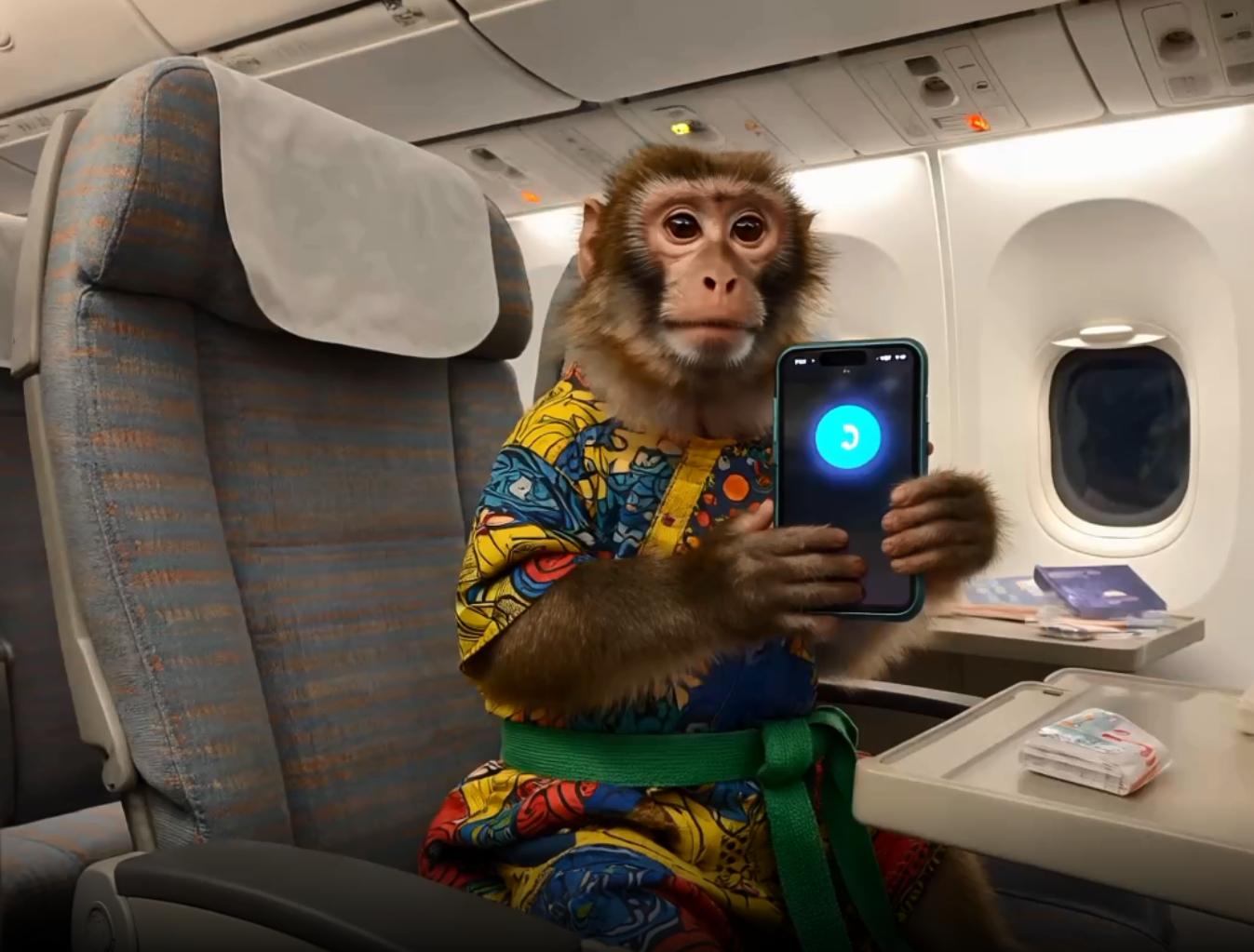
In the digital epoch, the fusion of creativity and technology has reached unprecedented heights. Imagine transforming a static image of a monkey into a dynamic video where the monkey appears to hold a phone in both hands and engage in conversation. This fascinating endeavor underscores the prowess of modern artificial intelligence (AI) and its image-to-video function. Let's delve into the algorithms behind this process, the current technological marvels, and the profound impact AI is having on our lives.
Algorithms Behind Image-to-Video Animation
Object Detection and Segmentation
Core Function: Identifies and isolates the monkey from the background.
Technology Used: Advanced machine learning models, such as convolutional neural networks (CNNs), scan the image to pinpoint the monkey's exact location and boundaries.
Pose Estimation and Keypoint Detection
Core Function: Determines the monkey's posture and key body points.
Technology Used: Deep learning algorithms analyze the monkey's limbs, joints, and facial features to establish a pose that can be animated smoothly.
Frame Interpolation and Motion Prediction
Core Function: Creates smooth transitions between frames to simulate movement.
Technology Used: Algorithms generate intermediate frames, ensuring the monkey's movements from one pose to another appear fluid and realistic. Motion prediction models anticipate the monkey's next movements based on its current posture and desired actions.
Text-to-Speech (TTS) and Lip Syncing
Core Function: Converts text into spoken words and syncs the monkey's mouth movements with the audio.
Technology Used: TTS algorithms use deep learning to produce natural-sounding speech. Lip syncing algorithms analyze audio signals and animate the monkey's lips accordingly, creating a seamless illusion of speech.
The Power of Current Technology
The ability to animate a monkey in an image and make it appear as if it's engaging in human-like activities is a testament to the incredible advancements in AI and computer vision. This technology is not just a novelty; it has far-reaching implications across various industries, from entertainment to education.
Convenience and Efficiency in Daily Life
AI has revolutionized our daily lives by automating mundane tasks and enhancing efficiency. The image-to-video function is just one example of how AI can create engaging content with minimal human intervention. This convenience extends to other areas, such as smart homes, automated customer service, and personalized health recommendations.
AI's Impact on Our Future
Personalization and Tailored Experiences
AI will continue to learn from our preferences, offering more personalized content, services, and products.
Integration with the Internet of Things (IoT)
The synergy between AI and IoT will lead to smarter environments, optimizing resource usage, enhancing security, and improving overall quality of life.
Transformation of Healthcare and Education
AI will play a pivotal role in personalized medicine, improving diagnostic accuracy, and providing tailored learning experiences that cater to individual needs.
In conclusion, the image-to-video function that animates a monkey holding a phone and talking is a striking demonstration of AI's capabilities. It highlights the algorithms that drive this technology and underscores the convenience and efficiency brought by modern advancements. As AI evolves, we can expect even more innovative applications that will shape our future, making our lives richer, more connected, and more engaging. The seamless integration of AI into our daily routines is not just a possibility; it's an inevitable reality that promises to enhance every aspect of our existence.