Breathing Life into Ink: AI Animates Flapping Birds and Swaying Lotuses in Chinese Paintings
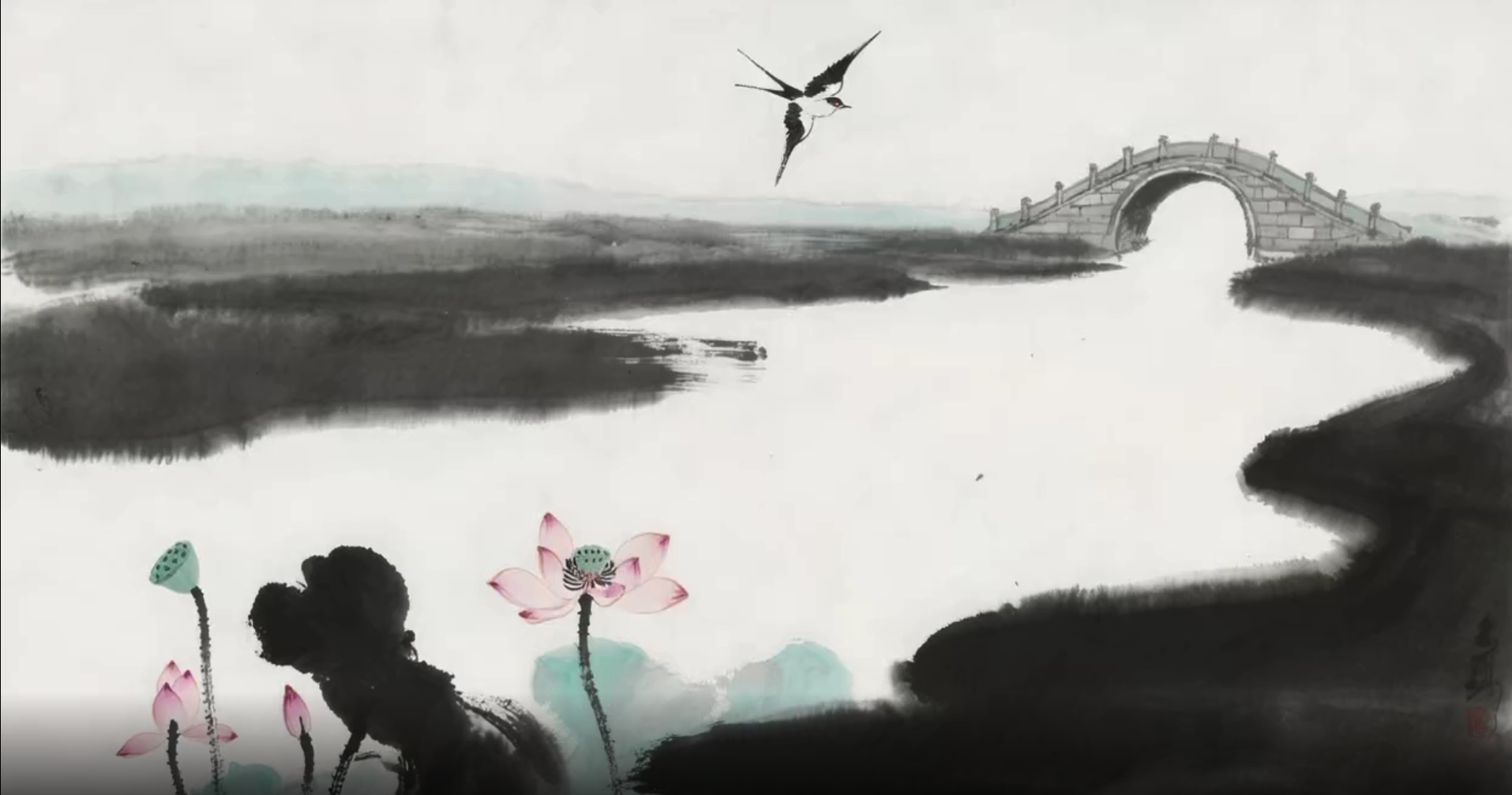
In the digital age, technology has bestowed upon us remarkable abilities, one of which is the image-to-video feature. This feature allows static images to come alive, transforming them into dynamic videos. Recently, I harnessed this capability to create a scene where a bird flaps its wings and lotus flowers sway gently in the breeze. The process behind this magical transformation involves several sophisticated algorithms, showcasing the immense power of modern technology.
The Algorithms Behind the Image-to-Video Process:
Object Detection and Tracking Algorithms:
These algorithms, such as YOLO (You Only Look Once) or SSD (Single Shot MultiBox Detector), play a crucial role in identifying and tracking the bird and lotus flowers within the image. They accurately locate these objects and follow their movements, laying the foundation for the subsequent animation process.
Motion Synthesis Algorithms:
After detecting the objects, motion synthesis algorithms are employed to simulate realistic movements. For the bird, this involves generating a series of wing-flapping animations based on its position and orientation. For the lotus flowers, the algorithms simulate the effect of wind by calculating the natural sway and movement of the petals, creating a lifelike appearance.
Physics-Based Simulations:
To enhance the realism further, physics-based simulations are used. These simulations model the behavior of objects under various forces, such as wind or gravity. For instance, fluid dynamics might be applied to simulate how the lotus flowers would move in a gentle breeze, adding a touch of authenticity to the animation.
Video Interpolation Techniques:
The final step involves generating a video from the synthesized movements. Video interpolation techniques are used to create intermediate frames between the detected positions of the objects. Advanced neural networks smooth out the transitions, ensuring a seamless video output.
The Impact of Modern Technology:
The integration of these algorithms into the image-to-video feature underscores the incredible advancements in technology. It has not only revolutionized the way we perceive and interact with visual media but has also opened up new avenues for creative expression. Artists and content creators can now easily produce animated videos from their artwork, making their creations more engaging and accessible.
Moreover, this shift from static to dynamic media has profound implications for various industries. In entertainment, it allows for the creation of captivating visuals that draw viewers in. In education, it provides a more engaging way to present information, making learning more interactive. In advertising, it offers innovative ways to capture consumers' attention, driving sales and brand awareness.
In conclusion, the ability to transform images into animated videos is a testament to the power of modern technology. It has significantly enhanced our visual experiences and transformed the way we interact with digital content. As technology continues to evolve, we can expect even more innovative applications that will further enrich our lives, making them more convenient and enjoyable.