AI Magic: How I Made Ancient Statues Grow Arms and Dance Using Image-to-Video Technology
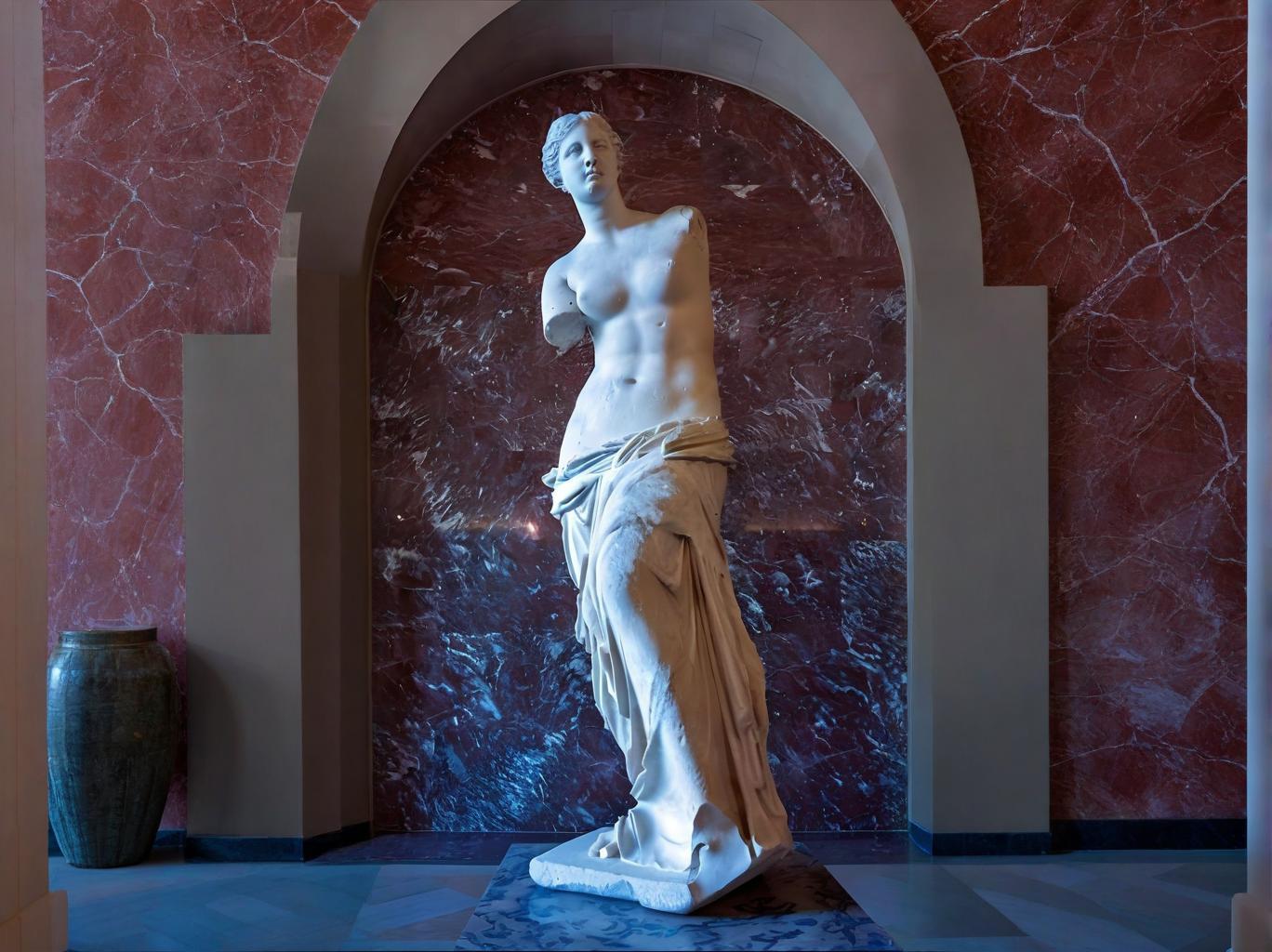
In the heart of Paris, standing majestically within the Louvre Museum, lies the Venus de Milo—a timeless masterpiece that has captivated audiences for centuries. Imagine, however, using the cutting-edge image-to-video function to breathe life into this ancient statue, allowing it to grow arms and dance gracefully across the screen. This fantastical scenario is not just a figment of the imagination; it's a testament to the incredible advancements in technology that are reshaping our world.
The Process of Image-to-Video
The transformation from a static image to a dynamic video involves several sophisticated algorithms:
Edge Detection: This crucial first step identifies the precise edges of the statue, ensuring a seamless transition from stillness to motion.
Segmentation: The statue is meticulously separated from its background, allowing for isolated processing and animation without disturbing the surrounding environment.
Deep Learning Models:
Generative Adversarial Networks (GANs): These powerful networks generate realistic images of the statue with arms, creating a seamless extension of the original form.
Style Transfer: This technique maintains the statue's original aesthetic while incorporating the new, animated elements.
Motion Capture and Animation
Pose Estimation: Machine learning algorithms analyze the statue's pose, determining the optimal positions for the newly created arms.
Physics-Based Animation: Utilizing physics engines, the statue's movements are simulated to ensure they appear natural and realistic. This involves intricate calculations of forces and movements, mimicking what would occur if the statue were truly alive.
Video Synthesis
Frame Interpolation: To create a fluid video, techniques are employed to fill in the gaps between generated images, ensuring a smooth transition from one frame to the next.
Temporal Consistency: Ensuring that the statue's movements remain consistent over time is vital. Temporal models predict and smooth out any inconsistencies, creating a seamless and believable animation.
The Power of Modern Technology
The ability to animate inanimate objects such as the Venus de Milo underscores the incredible capabilities of modern technology. This technological marvel not only enhances our appreciation of art but also serves as a catalyst for change in various aspects of our lives.
Enhanced Education: Students can now interact with historical artifacts in immersive, engaging ways, fostering a deeper understanding and appreciation of art and history.
Entertainment: Technologies like Virtual Reality (VR) and Augmented Reality (AR) create new experiences, allowing audiences to step into the world of art and history, making the animated Venus de Milo part of a larger, interactive narrative.
Therapeutic Applications: The ability to manipulate and animate art can be therapeutic, providing individuals with new avenues for expression, creativity, and control.
The Impact of AI on Our Future
As AI continues to evolve, its influence on our lives will only grow more profound. From healthcare to transportation and environmental sustainability, AI is poised to revolutionize numerous sectors.
Healthcare: Personalized medicine, made possible by AI's ability to analyze vast amounts of medical data, will lead to better health outcomes and more tailored treatment plans.
Transportation: Autonomous vehicles driven by AI will make transportation safer, more efficient, and less reliant on human error.
Environmental Sustainability: Smart cities optimized by AI will reduce waste, improve resource usage, and enhance the overall sustainability of urban environments.
Conclusion
The image-to-video function, exemplified by the animated Venus de Milo, is a remarkable achievement that showcases the boundless potential of AI. It not only preserves and enhances our cultural heritage but also paves the way for a future where technology and art converge to create new, exciting experiences. As we continue to push the boundaries of what is possible, we must also embrace the ethical implications and ensure that these advancements benefit society as a whole. The future is indeed bright, and the possibilities are endless.