AI Brings Photos to Life: Animating Walking People, Flying Planes and Flowing Water with Image-to-Video Technology
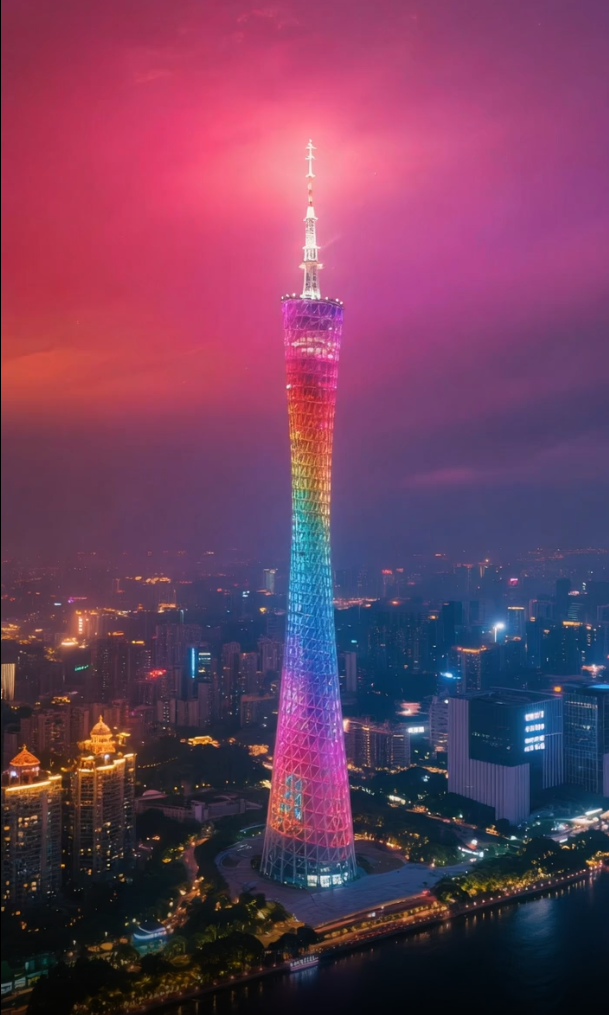
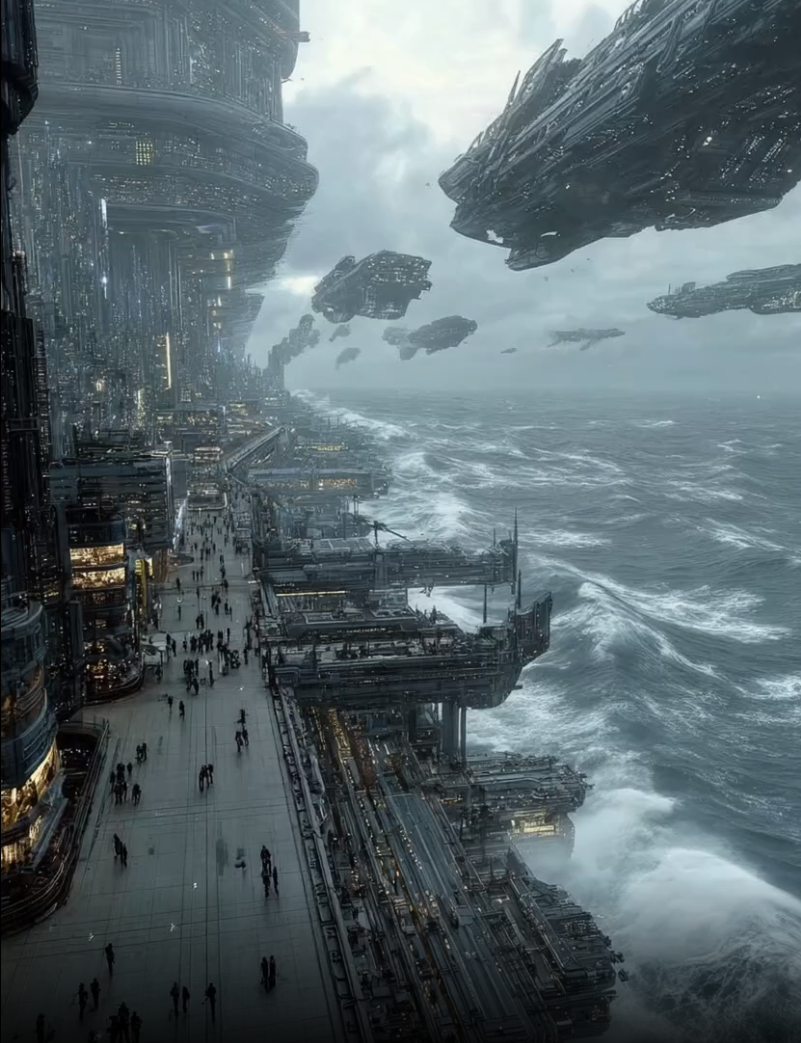
In the digital age, the integration of artificial intelligence (AI) into various fields has led to remarkable advancements. Recently, I had the opportunity to utilize an image-to-video function that brought a static image to life. By animating the pedestrians to make them walk, the planes to fly slowly in the sky, and the water to flow gently in the sea, I was able to witness firsthand the power of modern technology.
The Algorithms Behind the Image-to-Video Process
The process of transforming a still image into a lively video involves several sophisticated algorithms:
Image Processing Algorithms: These algorithms analyze the image to extract details such as structure, lighting, and texture. They serve as the foundation for the animation, ensuring that the animated elements blend seamlessly with the original scene.
Object Detection and Tracking: Advanced object detection algorithms identify and track moving elements like pedestrians and planes. This is crucial for animating these objects in a realistic and smooth manner.
Motion Prediction and Synthesis: Once detected, motion prediction algorithms forecast the movements of these objects. Techniques like keyframe animation or physics-based simulations are then used to generate the animations, ensuring they appear natural and lifelike.
Environmental Animation: For elements like water, fluid dynamics simulations are employed. These simulations consider factors such as wind, gravity, and surface tension to create realistic water movements.
Post-Processing and Rendering: Finally, the animated elements are integrated into the original image using advanced rendering techniques. This ensures the final video maintains the visual coherence and aesthetic appeal of the original scene.
The Strength of Modern Technology
The ability to animate a still image in such a detailed and realistic manner underscores the strength of modern technology. What once seemed like science fiction is now a reality, thanks to the rapid advancements in AI and computer graphics. This technology has not only expanded our creative horizons but has also revolutionized various industries.
How Technology Has Changed Our Lives
The impact of technology on our daily lives is profound. From smart homes and automated vehicles to virtual reality experiences, technology has made our lives more convenient and enjoyable. In the field of entertainment, for instance, AI-generated videos are enabling new forms of storytelling that were previously unimaginable. Similarly, in education, AI-generated videos can create interactive and engaging learning materials, making complex concepts more accessible to students.
The Future Impact of AI on Human Life
As AI technology continues to evolve, its potential to transform our lives is vast. Here are a few ways in which AI is expected to shape our future:
Enhanced Productivity: AI will automate many routine tasks, freeing up time for more creative and strategic work. This will lead to increased productivity and efficiency across various industries.
Improved Decision-Making: By providing data-driven insights, AI will enable better decision-making in fields such as finance, healthcare, and urban planning.
Personalized Experiences: AI will tailor experiences in areas like entertainment, education, and healthcare, leading to more effective interactions and higher satisfaction levels.
Sustainability: AI will play a crucial role in addressing global challenges such as climate change by optimizing resource usage, predicting and mitigating natural disasters, and developing sustainable technologies.
In conclusion, the image-to-video function is a powerful demonstration of the capabilities of modern technology. As AI continues to advance, it will have a profound impact on various aspects of our lives, making them more convenient, efficient, and enjoyable. The future looks bright, and the possibilities are endless.