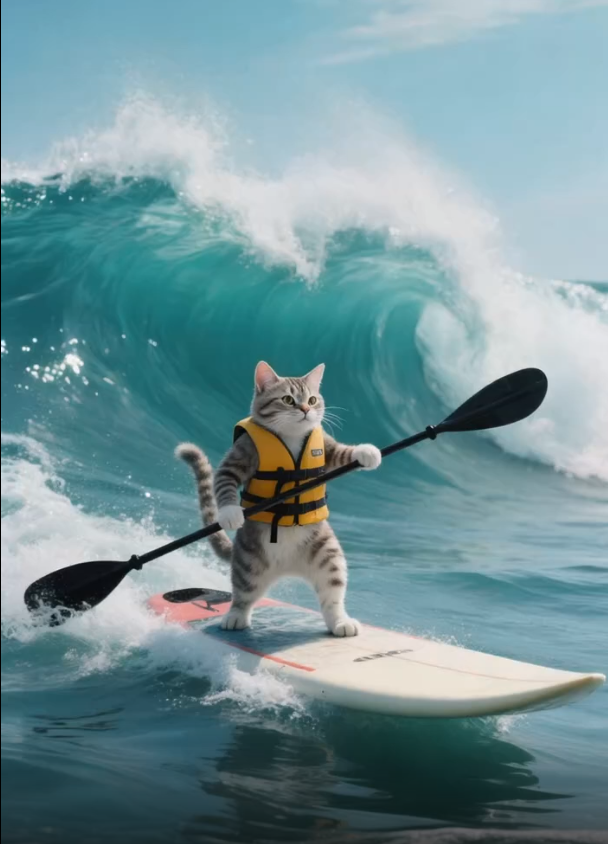
AI Brings Cats to Work: How Image-to-Video Tech Animates Feline Productivity
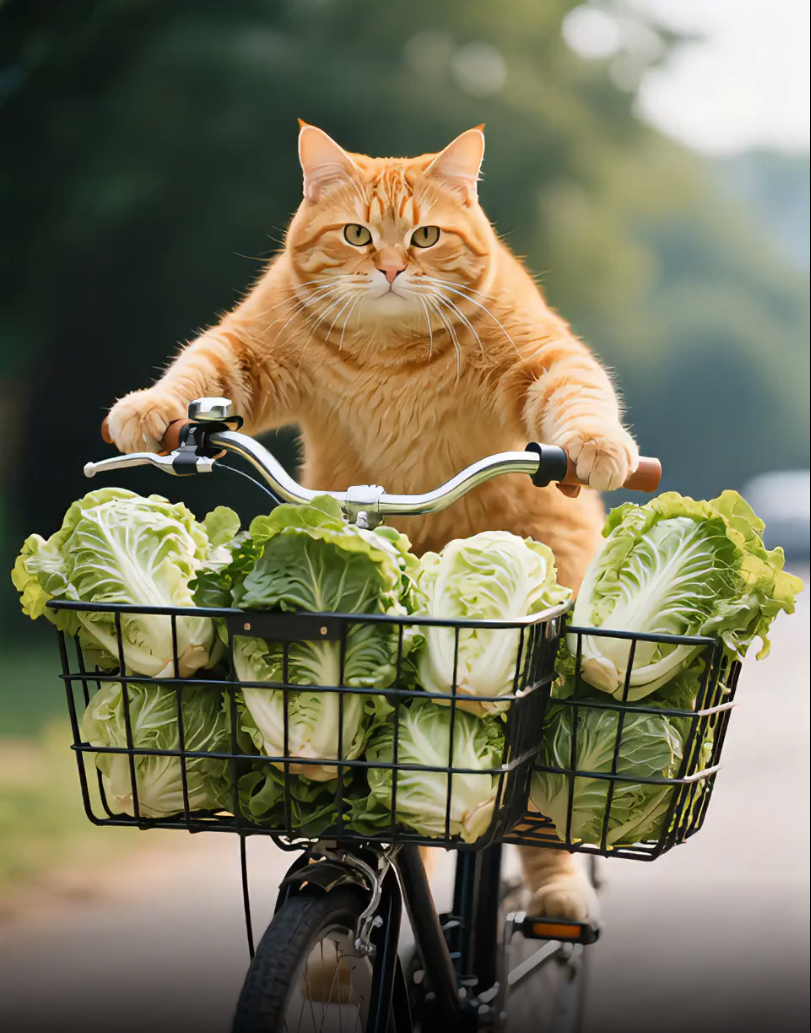
In the realm of digital creativity, I recently embarked on an intriguing project: transforming a static image of a British Shorthair cat into a dynamic video where the feline appears to be diligently working, typing away on a keyboard, and occasionally taking a sip of coffee. This endeavor not only showcased the remarkable capabilities of modern technology but also served as a testament to how far we've come in harnessing artificial intelligence (AI) to enhance our visual storytelling.
The Image-to-Video Process and Algorithms Involved
The image-to-video function leverages a suite of sophisticated algorithms to bring the cat to life. Here's a breakdown of the key steps and technologies involved:
Object Detection and Segmentation: The first crucial step is identifying and isolating the cat from the background. Object detection algorithms scan the image, pinpointing the cat's location. Image segmentation algorithms then create a detailed mask around the cat, ensuring that only it is animated, maintaining a seamless integration with the static background.
Keyframe Animation: To create the illusion of the cat typing and drinking coffee, keyframe animation techniques are employed. Keyframes define specific poses and actions for the cat at different points in time. These keyframes are then interpolated by the software to generate smooth, realistic movements between them.
Physics Simulations: For added realism, physics engines simulate the interactions between the cat and its environment. This includes the subtle movements of the cat's paws as they hit the keys and the slight sway of the coffee cup as the cat takes a sip.
Deep Learning Models for Video Synthesis: At the heart of the image-to-video process are deep learning models, particularly generative adversarial networks (GANs). These models learn from vast datasets of images and videos, enabling them to synthesize new frames that are coherent and realistic. Frame interpolation techniques further refine these frames, ensuring a seamless and fluid video.
The Power of Current Technology and Its Impact on Our Lives
The ability to transform a simple image into a lifelike video underscores the incredible advancements in technology. This project is just one example of how AI is reshaping our world, making it more convenient and creative. From automated translation services to personalized entertainment recommendations, AI is weaving itself into the fabric of our daily lives.
AI's Influence on Human Future Life
Looking ahead, AI's impact on human life will only continue to grow. Here are some key areas where AI is poised to make a significant difference:
Personalization: AI will increasingly tailor content and experiences to individual preferences, enhancing our digital interactions and making them more engaging.
Healthcare: In healthcare, AI will enable personalized medicine, improving diagnostic accuracy and patient outcomes.
Education: AI-driven adaptive learning systems will cater to each student's pace and style, revolutionizing education and fostering a more equitable learning environment.
Ethical Considerations: As AI becomes more pervasive, ethical considerations will become paramount. Ensuring transparency, fairness, and unbiasedness in AI systems will be crucial for maintaining trust and preventing misuse.
In conclusion, my project using the image-to-video function to animate a cat working at a desk is a fascinating glimpse into the power of modern technology. It highlights not only the remarkable advancements in AI but also the profound impact these technologies are having on our lives. As AI continues to evolve, it will reshape various aspects of our existence, making our world more convenient, creative, and connected. Embracing these changes will be key to harnessing the full potential of AI and creating a brighter, more innovative future.