AI Brings Cats to Life: How I Made a Picture Talk and Move with Image-to-Video Magic
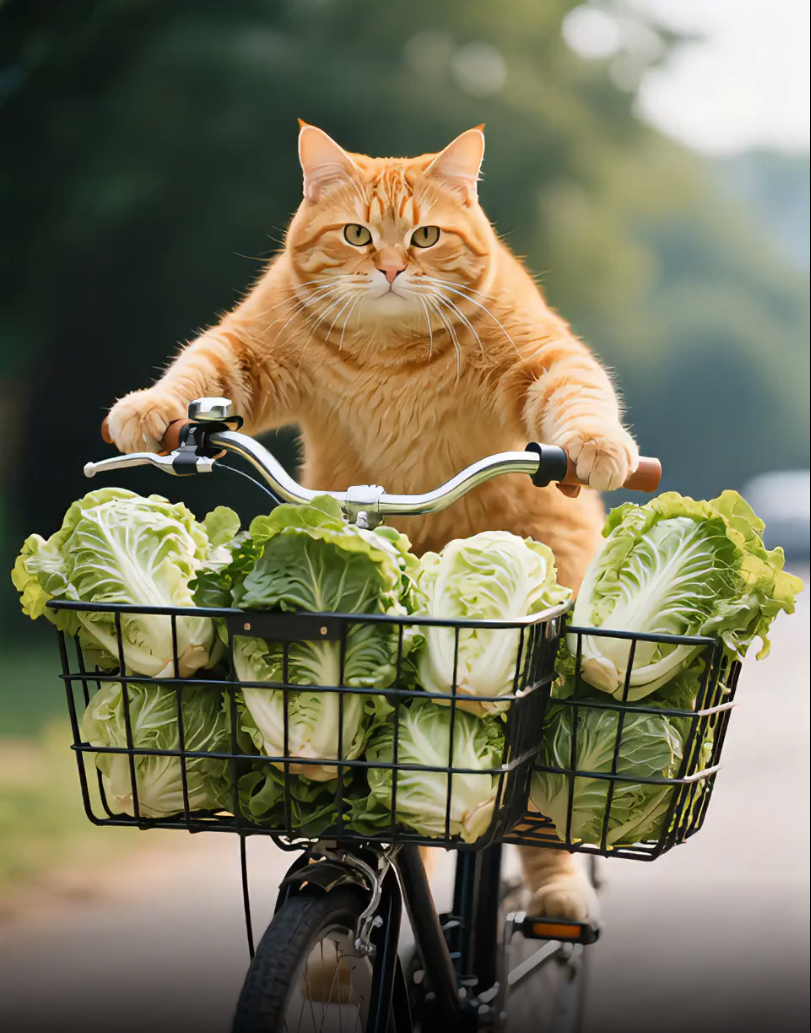
In an era where technology is rapidly advancing, I recently had the opportunity to experience the magic of AI-driven image-to-video conversion. By utilizing this cutting-edge functionality, I transformed a static image of a charming orange tabby cat into a dynamic video where the feline looked around, raised its paw, and even spoke. This experience underscored the incredible power of modern technology and its profound impact on our lives.
The Process and Algorithms Involved:
Image Preprocessing:
The journey began with preprocessing the image. This step involved enhancing the image quality, correcting colors, and segmenting the cat from the background. These tasks ensured that the cat stood out clearly, ready for the next phase.
Object Detection and Tracking:
Advanced algorithms like YOLO (You Only Look Once) or SSD (Single Shot MultiBox Detector) were employed to detect and track the cat's movements within the image. These algorithms pinpointed the cat's exact location, orientation, and even subtle facial expressions, laying the foundation for realistic animations.
Pose Estimation:
To simulate the cat's natural movements, pose estimation algorithms were used. These sophisticated models predicted the cat's posture and movements, allowing for seamless animations. For instance, the cat's paw-raising and head-turning actions were meticulously simulated based on its detected pose.
Speech Synthesis:
Text-to-speech (TTS) technology brought the cat to life by generating its voice. Neural networks, trained to mimic human speech patterns, converted written text into spoken words. This allowed the cat to "speak" fluently, adding a whole new dimension to the video.
Video Synthesis:
The final step involved synthesizing the video. The preprocessed image, combined with the detected movements and synthesized speech, was woven together to create a cohesive and realistic video. Frame interpolation between detected poses and synchronization of speech with movements ensured a seamless viewing experience.
The Power of Modern Technology:
Witnessing the transformation of a simple image into a lively video was a mesmerizing experience. It highlighted the incredible advancements in AI and computer vision. This technology is not just a novelty; it has the potential to revolutionize various sectors.
In entertainment, AI-generated videos can create engaging content, from animated characters to virtual influencers. In education, they can personalize learning materials, making complex concepts more accessible. In marketing, businesses can leverage these videos for personalized advertisements, enhancing customer engagement. And in healthcare, they can be used for therapy and rehabilitation, improving patient outcomes.
Conclusion:
The ability to convert static images into dynamic videos is a testament to the remarkable progress in AI and computer vision. This technology not only amazes us with its capabilities but also has the potential to make our lives more convenient and enjoyable. As we continue to embrace these advancements, the possibilities for AI-generated content are endless, promising a future where technology seamlessly integrates into our daily lives, enriching our experiences and expanding our horizons.